
Lies and Prayers as Consolation
The Lying Life of AdultsThis thread follows the strategies Giovanna Trada uses to endure family upheaval, from childhood secrecy and self-deception to prayer without settled belief.
increasing Bearing strength in each event
 decreasing
Bearing strength in each eventdecreasingThe First Concealments
The First Concealments
A private investigation
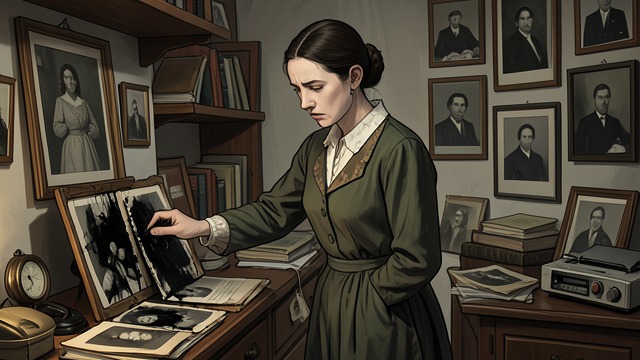
After hearing Andrea compare her to Vittoria, Giovanna Trada searches the family photographs and tries to scrape away black ink covering figures in several images. She wants a direct answer but is frightened of violating her father’s wishes and damaging his affection.
Truth sought in secret
Rather than ask her parents plainly, Giovanna pursues the evidence alone. She finds no recoverable image beneath the black marks, yet the very act of concealment deepens her suspicion that adults have shaped the family record to exclude what they cannot bear.
This early secrecy prepares her for a more complicated method: she will not simply stop believing adults, but will begin managing what each person knows, using silence and selective truth to preserve the relationships she still needs.
Truthful Lies
Truthful Lies
A report edited for safety
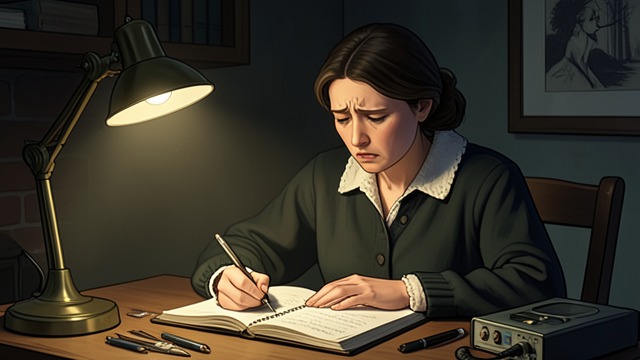
After meeting Vittoria, Giovanna tells Andrea that the visit was uneventful. She lists ordinary topics and denies that the aunt asked about either parent, concealing the emotional force of Vittoria’s account and the dance they shared.
Secrecy becomes skill
Giovanna is uneasy about deceiving a father whose approval has shaped her life, but the lies also protect her new connection with Vittoria. She learns that she can preserve a relationship by reporting selected truths rather than inventing an elaborate falsehood.
The technique becomes a form of self-protection and a source of unease. Giovanna is increasingly aware that secrecy can make her feel powerful while also drawing her further into the conflicts that adults have placed around her.
Prayer Without Belief

Prayer Without Belief
An emergency appeal
At Vittoria’s parish charity event, Giovanna Trada becomes overwhelmed by the family trouble she has revealed and by her aunt’s volatile behavior. Although she does not believe in God, she silently asks for protection and for Vittoria not to tell Andrea what she has confessed.
A practical form of hope
When the afternoon ends without the disclosure Giovanna fears, she experiences the silence as a kind of answer. Prayer does not establish a settled faith; it provides an action to take when she cannot control what the adults will do.
This makes prayer resemble her lies. Both create a small interval between fear and consequence, helping her endure uncertainty even though neither can guarantee that the family will be repaired.
The Self as an Audience
The Self as an Audience
Private reassurance
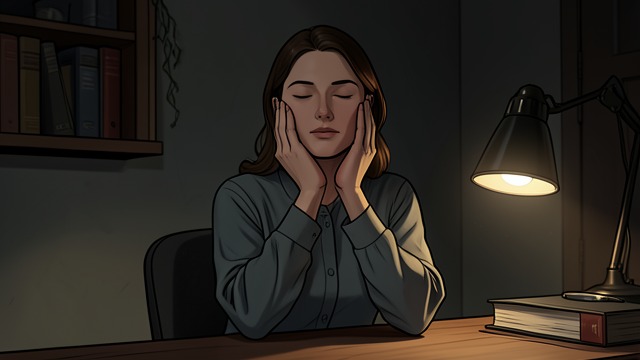
In the aftermath of Andrea and Nella’s crisis, Giovanna Trada lies to herself as well as to others. She performs cheerfulness at home and school, telling herself that certain family suspicions are unimportant even as she repeatedly returns to them.
Wishes addressed to God
She continues to pray despite her disbelief, asking for the quarrel between Andrea and Mariano to be about politics rather than her own disclosure. At night she asks for events to be put back in order, and imagines the city collapsing if that order cannot be restored.
The prayers expose how much of Giovanna’s distress still depends on adult explanations and approval. Her private inventions console her, but they also reveal how little control she has over the facts she is trying to contain.
A Consolation That Fails
A Consolation That Fails
Seeking another account
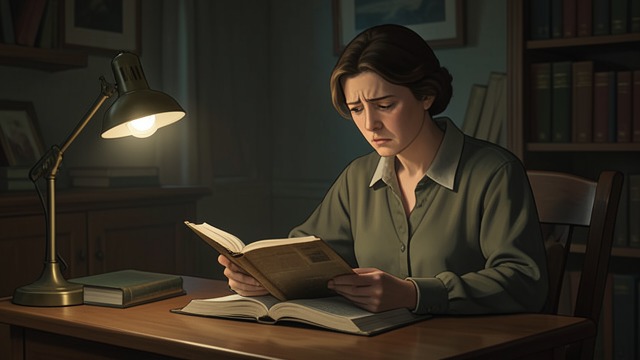
Giovanna Trada begins reading the Gospel volumes after meeting Roberto, hoping that the religious ideas important to him might offer direction. Andrea supplies annotated texts and a Greek edition, turning the request into an occasion for his own intellectual enthusiasm.
Refusal and continued searching
Giovanna finds the Gospel story disturbing rather than reassuring. She objects to a divine father who permits suffering and cannot accept resurrection as an uncomplicated reward; still, she keeps thinking about God, prayer, and what a person can do in a world marked by pain.
Her reading does not restore the lost security of childhood. It does, however, turn prayer and doubt into questions she can examine rather than simple instruments for wishing away disaster. Consolation remains necessary, but Giovanna no longer trusts it to arrive as a miracle.
After Giovanna overhears Andrea’s remark
On the drive home from Giovanna’s first visit to Vittoria
During the parish charity event
After Andrea and Nella’s relationship collapses
During Giovanna’s reading of the Gospel volumes
